
Clinician Resources
-

When to Refer for Blood Tests in Foot and Ankle Pain: Identifying Systemic Causes
Foot and ankle pain is often attributed to local musculoskeletal pathology; however, clinicians should remain alert to the possibility of underlying systemic or metabolic causes. Blood tests can play an important role in identifying these conditions, particularly where the clinical presentation is atypical, persistent, or not responding to expected management. While many common conditions such…
-
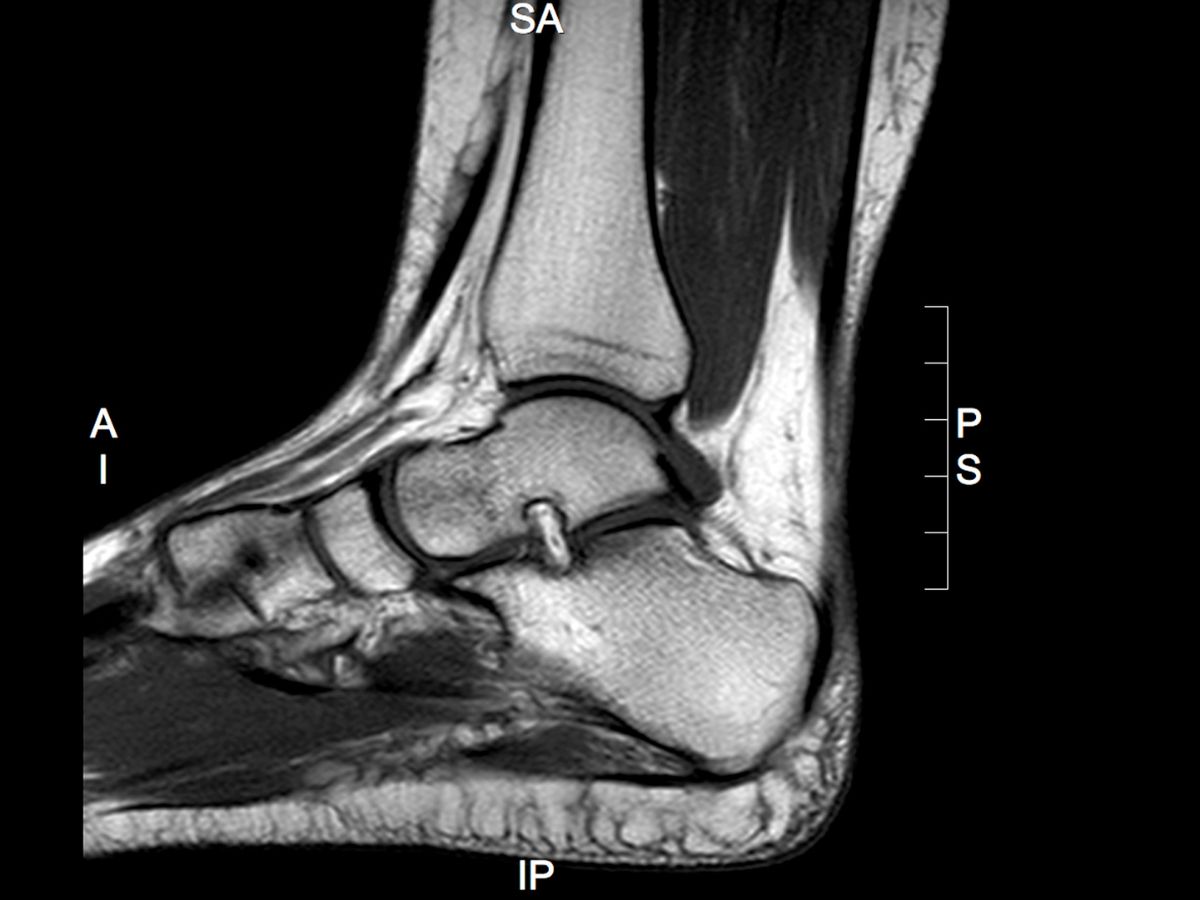
When to Refer for MRI in Foot and Ankle Conditions
Magnetic resonance imaging (MRI) plays an important role in the assessment of foot and ankle conditions, particularly where more detailed evaluation of soft tissue and intra-articular structures is required. While not all patients need advanced imaging, understanding when to refer for MRI is key to improving diagnostic accuracy and guiding appropriate management. MRI provides detailed…
-

When to Refer for Ultrasound (POCUS) in Foot and Ankle Assessment
Ultrasound, including point-of-care ultrasound (POCUS), is an increasingly valuable tool in the assessment of foot and ankle pathology. It provides dynamic, real-time imaging of soft tissue structures and can be particularly useful in guiding diagnosis and management in both acute and chronic presentations. Ultrasound is well suited to evaluating tendons, ligaments, bursae, and superficial soft…