
Heel Pain
Clear, condition-specific assessment and treatment options for persistent heel pain.
Do these symptoms sound familiar?
-
Pain under the heel when you first get out of bed
-
Sharp pain when walking after rest
-
Heel pain that eases with movement but returns later
-
Pain after sport, running, or long periods standing
-
Symptoms that are slowly worsening rather than settling
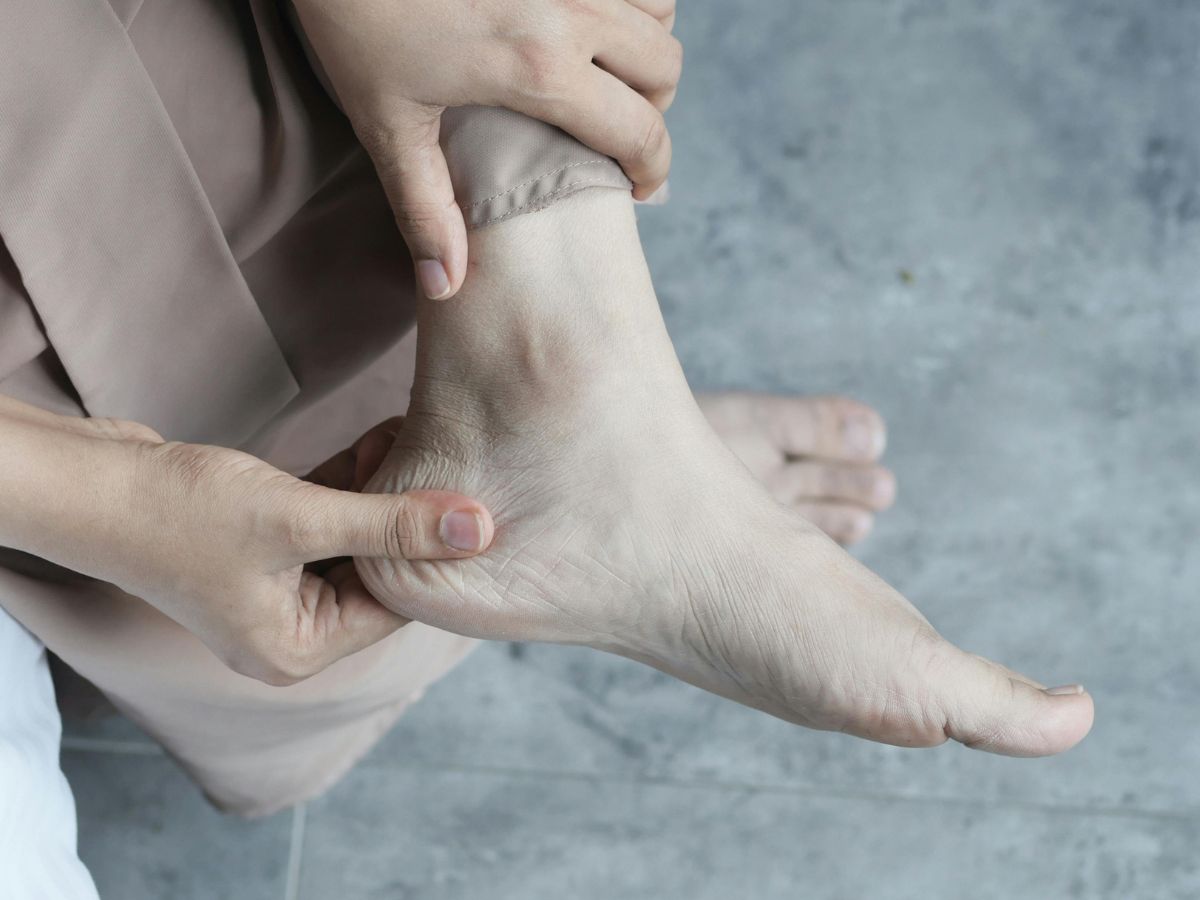
What may be driving your heel pain
Heel pain is a very common problem, but the underlying cause is not always the same.
While many people are told they have plantar fasciitis, this term simply describes irritation of the tissue under the heel and does not always explain why the problem has developed.
For some people, heel pain is related to overload of the plantar fascia, often triggered by changes in activity, footwear, or prolonged standing.
In others, the symptoms may be influenced by tight calf muscles, altered foot mechanics, or changes in how the foot absorbs load during walking and running.
Sometimes heel pain develops gradually without a single clear trigger. At other times, it can follow a period of increased activity, a new exercise routine, or a change in training surfaces.
Less commonly, pain around the heel may come from irritation of nearby structures, including the fat pad beneath the heel, small nerves around the ankle, or the attachment of the Achilles tendon.
Understanding what is driving the symptoms in your specific situation is important because the most effective treatment depends on the underlying cause rather than the label alone.
Getting the Diagnosis Right
A clear diagnosis is the foundation for choosing the most appropriate treatment.
CLARIFYING THE DIAGNOSIS
Heel pain is often described as plantar fasciitis, but the label alone does not always explain why symptoms have developed or why they are not improving.
Several different conditions can produce similar symptoms around the heel. These may include plantar fascia overload, insertional Achilles tendinopathy, stress fracture of the heel bone, or bone bruising within the calcaneus.
In midlife, particularly, wider factors such as weight gain, reduced activity levels, sedentary work patterns, and hormonal changes, such as menopause, can influence how the foot tolerates load and recovers from injury.
Because of this overlap, the most important first step is clarifying the diagnosis properly.
A careful clinical assessment helps determine which structures are involved and whether the pain is arising from the plantar fascia itself, nearby tendons, bone stress, or a combination of factors.
INVESTIGATIONS & FURTHER ASSESSMENT
Imaging can sometimes help confirm the diagnosis or guide treatment.
X-rays may occasionally identify structural issues, though they are often limited for soft-tissue problems around the heel.
Ultrasound can provide a useful assessment of the plantar fascia and surrounding tissues during consultation, whereas MRI may be helpful when symptoms persist or the diagnosis remains uncertain.
When heel pain proves more resistant, a broader assessment may be useful. This can include musculoskeletal examination, biomechanical review, gait analysis, and targeted imaging to understand how the foot functions.
Blood tests are only occasionally required, but may be considered if there is suspicion of an inflammatory or systemic cause.
Treatment Pathways
The Right Path: Treatment Route Maps
The most appropriate treatment depends on the underlying diagnosis, the severity of symptoms, and how much the problem is affecting your daily life.
The Right Path uses a series of treatment route maps to guide care, beginning with measures that relieve pain and support recovery and progressing only when symptoms persist.
Relieve
Reduce pain and irritation
The first goal is usually to reduce pain and settle irritation around the heel, so the tissues can recover.
For some people, this may involve active monitoring, simple changes to activity, footwear, or load, and allowing time for symptoms to settle naturally.
Where symptoms are more disruptive, treatment may include rehabilitation exercises, physiotherapy guidance, footwear adjustments or orthotic support.
The aim at this stage is to relieve symptoms while addressing the factors that may be contributing to the problem.
Regenerate
Support the healing of tissues
When symptoms persist or the tissues are struggling to recover, treatment may focus on supporting healing within the affected structures.
This may include more targeted non-surgical options such as shockwave therapy, ultrasound-guided injection treatments or biologic therapies, depending on the underlying diagnosis and clinical findings.
These approaches aim to stimulate recovery and improve tissue quality, particularly when standard conservative treatments have not been successful.
Rebuild
Correct structural Problems
In a smaller number of cases, symptoms persist despite appropriate non-surgical care, or imaging reveals a structural problem unlikely to improve without further intervention.
In these situations, surgical treatment may be considered. Surgery aims to correct the underlying mechanical issue or address damaged tissue so that the foot can return to more normal function.
Because surgery carries its own risks and recovery period, it is usually considered only after careful assessment and discussion of the expected benefits and potential limitations.
Understanding Your Treatment Options
Different treatments may be appropriate depending on the underlying diagnosis, symptom severity, and the duration of the problem.
Some people improve with simple changes and time. Others may benefit from structured rehabilitation, regenerative treatments, or, occasionally, surgery when symptoms persist.
We have created a detailed guide explaining the main treatment approaches used in foot and ankle care.
Your Route Forward
People arrive at Foot-Doctor at different stages of their journey.
Some patients simply need a single specialist consultation to confirm the diagnosis and understand their options.
Others benefit from a more structured assessment through The Right Path, which brings together clinical expertise, imaging where appropriate, and multidisciplinary input when symptoms are more complex or persistent.
The most appropriate starting point depends on your symptoms, prior treatment, and what you hope to achieve.
When Specialist Assessment May Help
You may benefit from a specialist assessment if:
Persistent or Worsening Symptoms
Pain that persists longer than expected, or symptoms that gradually worsen despite rest or treatment.
Unclear Diagnosis
When the cause of symptoms is uncertain or different explanations have been suggested.
Previous Treatment Has Not Helped
When physiotherapy, podiatry care, orthotics, or other treatments have not resolved the problem.
Symptoms Affecting Daily Life
When pain is limiting walking, exercise, work, or normal activities.
Second Opinion
When you would like specialist input to better understand your diagnosis, treatment options, or the next step.
Heel Pain – Frequently Asked Questions
Most heel pain improves with the right treatment, but many people have questions about diagnosis, recovery time, and when specialist care may help.
Not always. While plantar fasciitis is the most common cause of heel pain, other conditions can produce very similar symptoms.
These may include insertional Achilles tendinopathy, stress fractures of the heel bone, nerve irritation, or inflammation of nearby structures.
This is why an accurate diagnosis is important before deciding on treatment.
Many cases can be diagnosed through clinical assessment and examination.
However, imaging such as ultrasound or MRI may sometimes be useful when:
• Symptoms persist
• The diagnosis is unclear
• Treatment has not been successful
These scans can help identify problems affecting the plantar fascia, tendons, bones, or surrounding tissues.
Heel pain often improves gradually over time, particularly when the underlying causes are addressed.
For many people, symptoms settle within several months, although persistent cases may take longer and sometimes benefit from additional treatment.
Yes. Most cases improve without surgery.
Treatment may involve:
• activity modification
• rehabilitation exercises
• footwear adjustments
• physiotherapy or podiatry support
• regenerative treatments in selected cases
Surgery is usually considered only when symptoms remain significant despite appropriate non-surgical care.
You may benefit from a specialist assessment if:
• pain has lasted longer than 3–6 months
• symptoms are worsening rather than improving
• previous treatment has not helped
• walking, sports, or daily activities are becoming difficult
A specialist assessment can help clarify the diagnosis and guide treatment.
Heel pain can occasionally recur, particularly if the underlying factors that caused it remain present.
These may include changes in activity levels, footwear, biomechanics, or loading through the foot.
Addressing these factors helps reduce the risk of recurrence.
The most appropriate treatment depends on the underlying diagnosis and the severity of symptoms.
Management often follows a staged approach — beginning with measures that reduce pain and support recovery, and progressing to other treatments only if symptoms remain persistent.
Your Next Step
If you would like a clear understanding of your condition and the most appropriate treatment options, you can begin with the Right Path Orientation.
The Right Path provides a structured approach ot help you understand your diagnosis, explore your options and move forward with clarity.